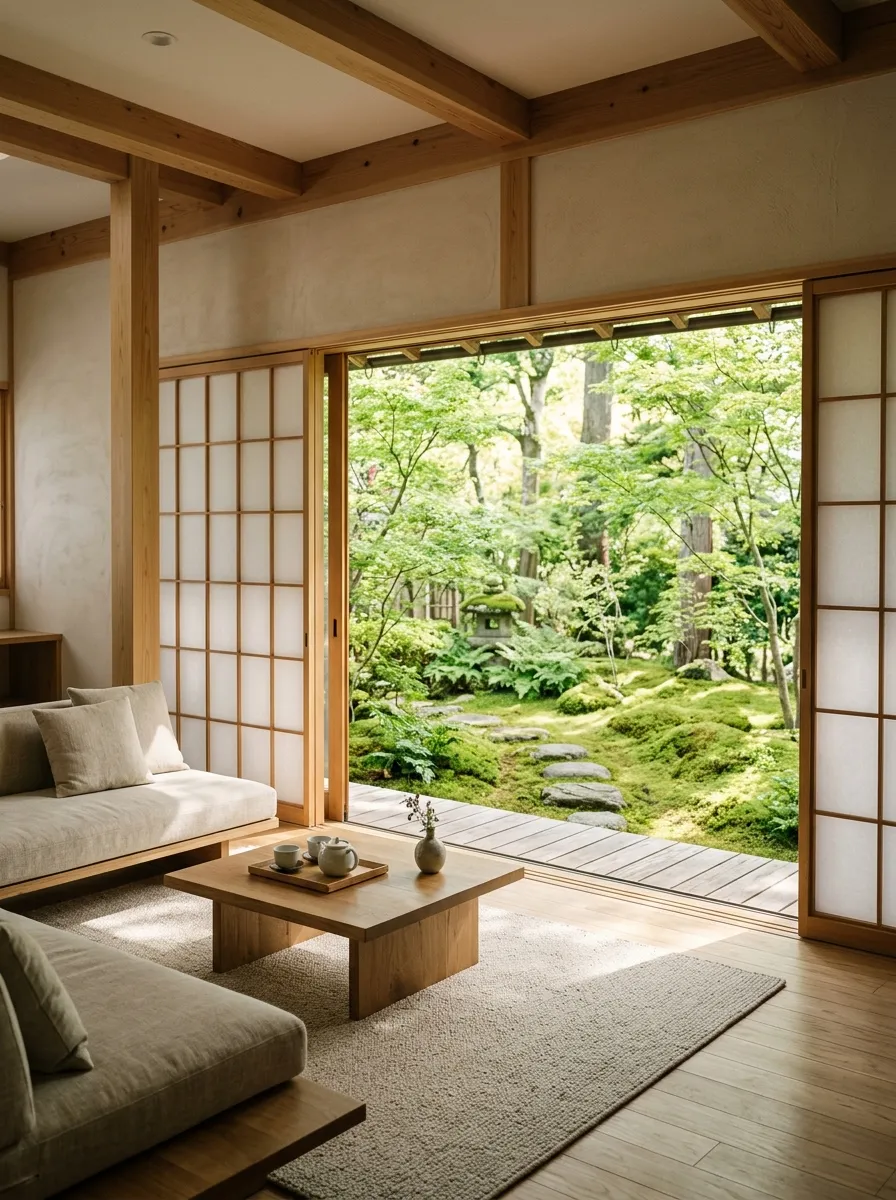
24 Japanese Courtyard Homes: Enchanting Ideas to Try
Finding a quiet moment to breathe feels impossible on busy days. You step outside hoping for a peaceful escape, only to find an uninspiring yard that offers no real comfort or privacy. Creating a serene personal sanctuary is exactly why japanese courtyard homes are becoming so highly sought after by homeowners everywhere. I have noticed that enclosing a small outdoor footprint and filling it with intentional details instantly lowers daily stress levels. This article explores beautiful, high end design concepts that connect indoor living spaces with organic outdoor elements. You will learn practical ways to introduce natural stone, soothing water features, and calming greenery into your own exterior layout. By applying these specific visual ideas, you can build a quiet, sophisticated retreat that helps you truly rest and recharge.
Minimalist Stone Pathways
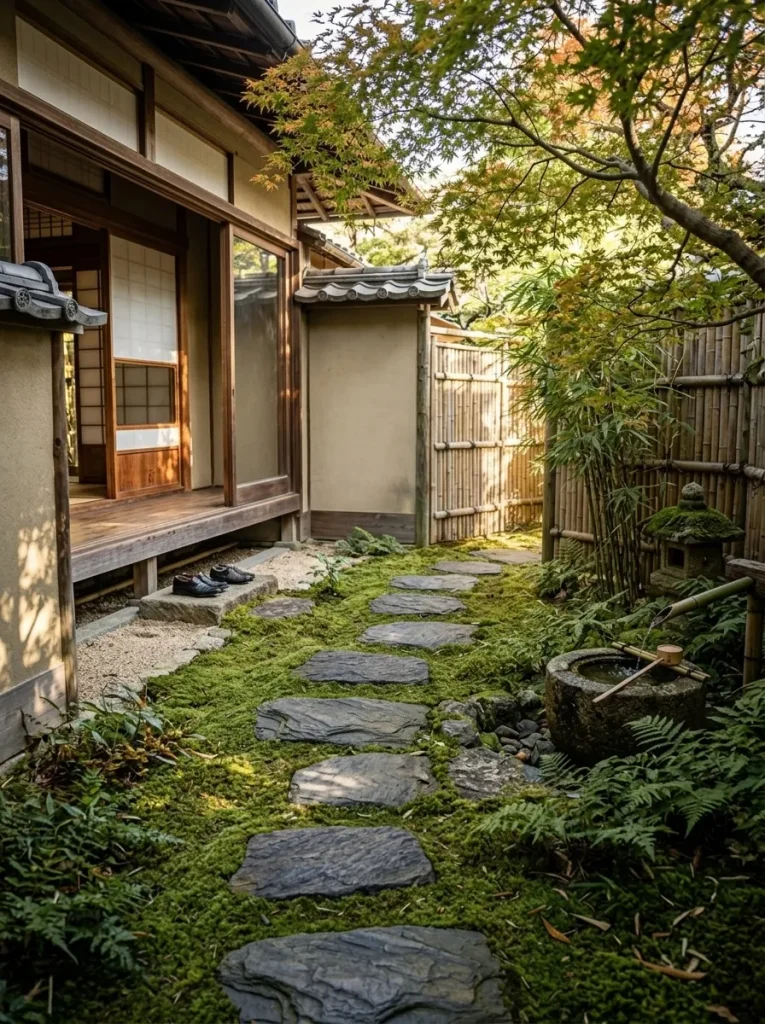
Guiding the eye through an outdoor sanctuary requires a thoughtful approach to ground textures. Large, irregularly shaped stepping stones placed intentionally across a bed of lush moss create an immediate sense of calm. This layout forces you to slow down and appreciate the details of the environment with every step.
I have noticed that the most striking japanese courtyard homes utilize this technique to connect indoor living areas with nature. The contrast between solid grey rock and vibrant green ground cover offers a beautiful visual balance. Keeping the surrounding elements sparse ensures the path itself becomes the focal point.
Central Maple Tree
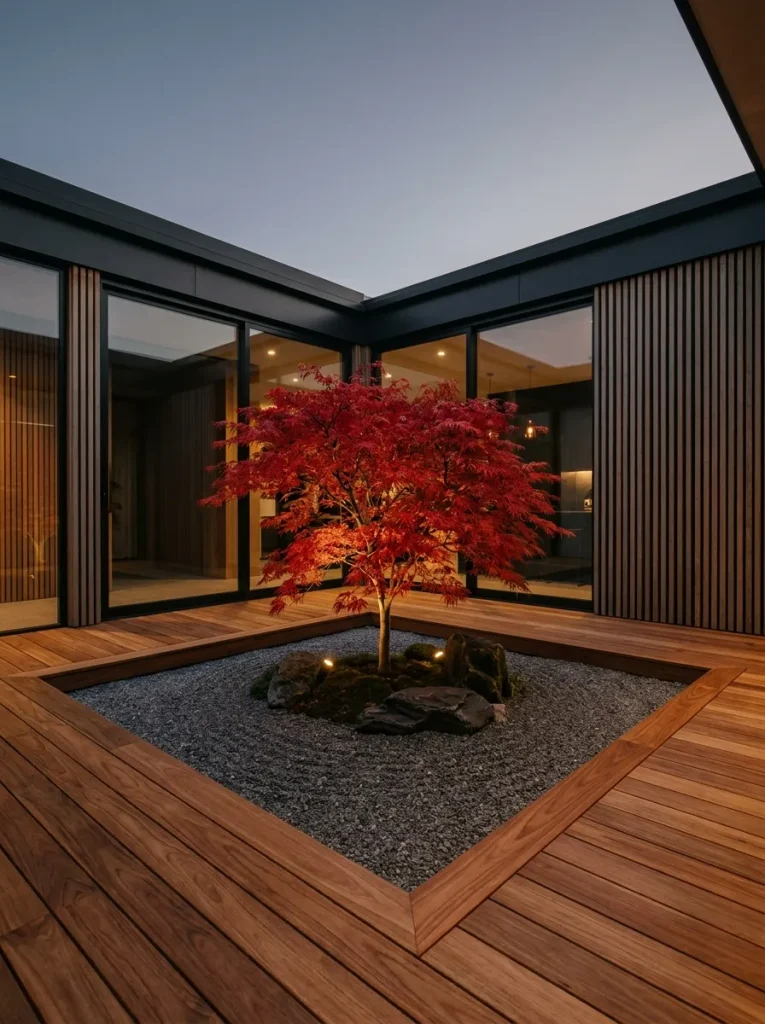
- Choose a young Acer palmatum for its striking foliage and graceful branch structure.
- Plant it slightly off-center to maintain an authentic, asymmetrical aesthetic that mimics natural growth.
- Surround the base with fine, raked gravel to draw attention upward toward the colorful canopy.
- Install subtle uplighting at the base of the trunk to highlight the intricate leaf patterns at night.
- Prune the branches annually to keep the canopy airy and allow sunlight to filter through easily.
A singular focal point brings immediate harmony to an enclosed architectural space. In my experience, selecting a tree that changes color with the seasons gives the area a dynamic, living quality. You get to watch the scenery shift from bright green to deep crimson throughout the year.
Flowing Water Features
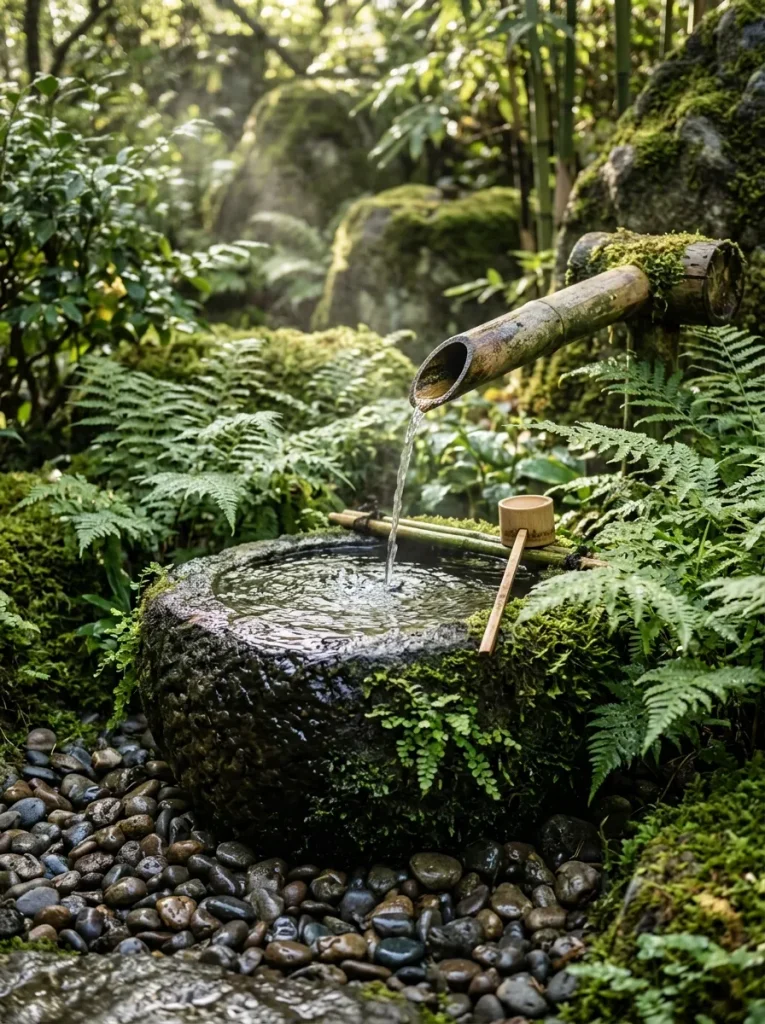
Quick Tip:
Place a small bamboo spout, known as a shishi-odoshi, near a quiet seating area. Ensure the water flow is kept to a gentle trickle rather than a heavy stream to create a soothing auditory background.
The sound of trickling water acts as a natural buffer against neighborhood noise while inviting local birds to visit. Adding a dark granite basin underneath captures the flow and reflects the sky above. This simple addition introduces movement and life into otherwise static exterior layouts.
Sliding Shoji Doors
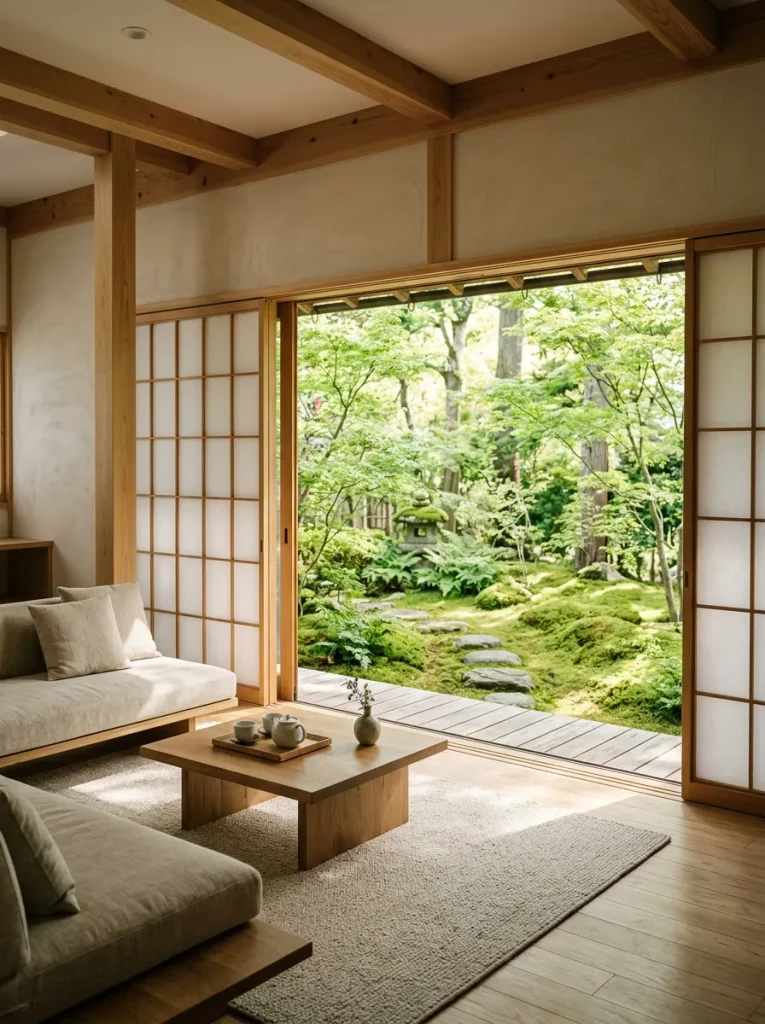
Before: Solid walls and standard windows block natural airflow and visually shrink small rooms. The transition to the outside feels harsh and disconnected.
After: Translucent paper screens invite soft daylight inside while offering full privacy. Opening them completely merges the living room with the exterior patio smoothly.
I’ve seen this work beautifully to make compact layouts feel much larger than their actual footprint. The lightweight wooden frames slide easily on tracks, allowing you to adjust the room’s exposure based on the weather. It creates a flexible layout suited for both quiet mornings and entertaining guests.
Raised Wooden Engawa
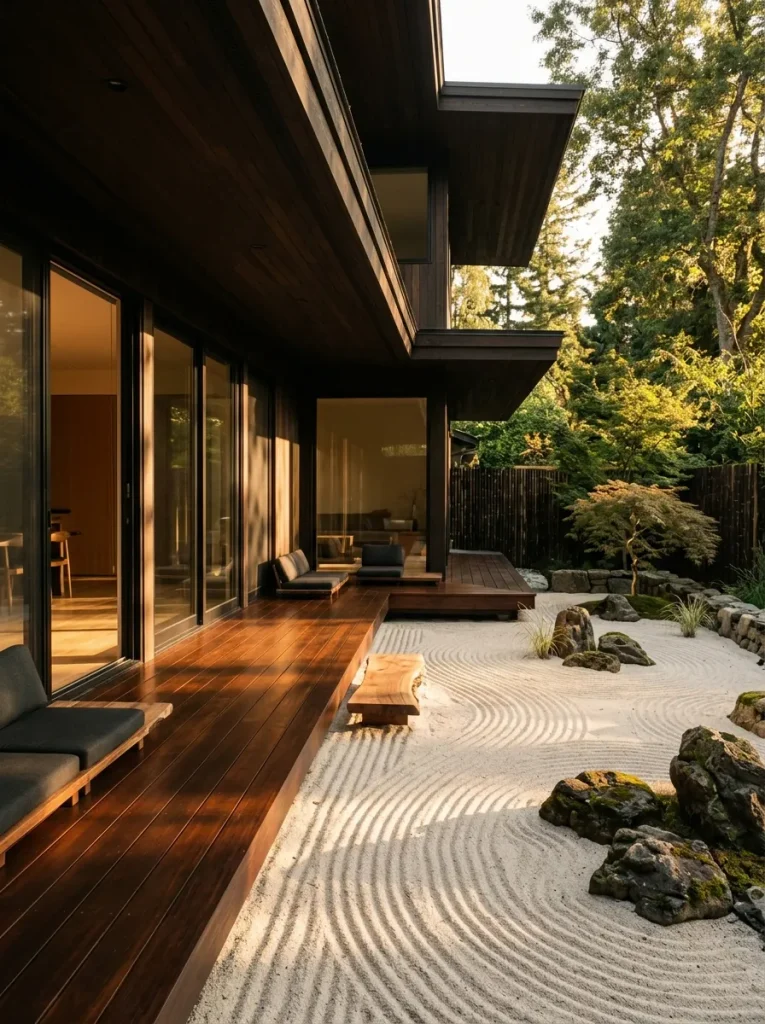
- Build a low timber platform along the outer edge of your main living space.
- Choose weather-resistant woods like cedar or teak to ensure longevity outdoors.
- Extend the roofline slightly over the deck to provide shade and protection from light rain.
- Keep the platform railing-free to maintain an unbroken visual line into the yard.
This traditional porch acts as a bridge between the shelter of the indoors and the wildness of nature. Sitting here with a warm cup of tea is incredibly grounding. It gives family members a dedicated zone to simply pause and observe the changing seasons right from the home’s perimeter.
Raked Sand Gardens
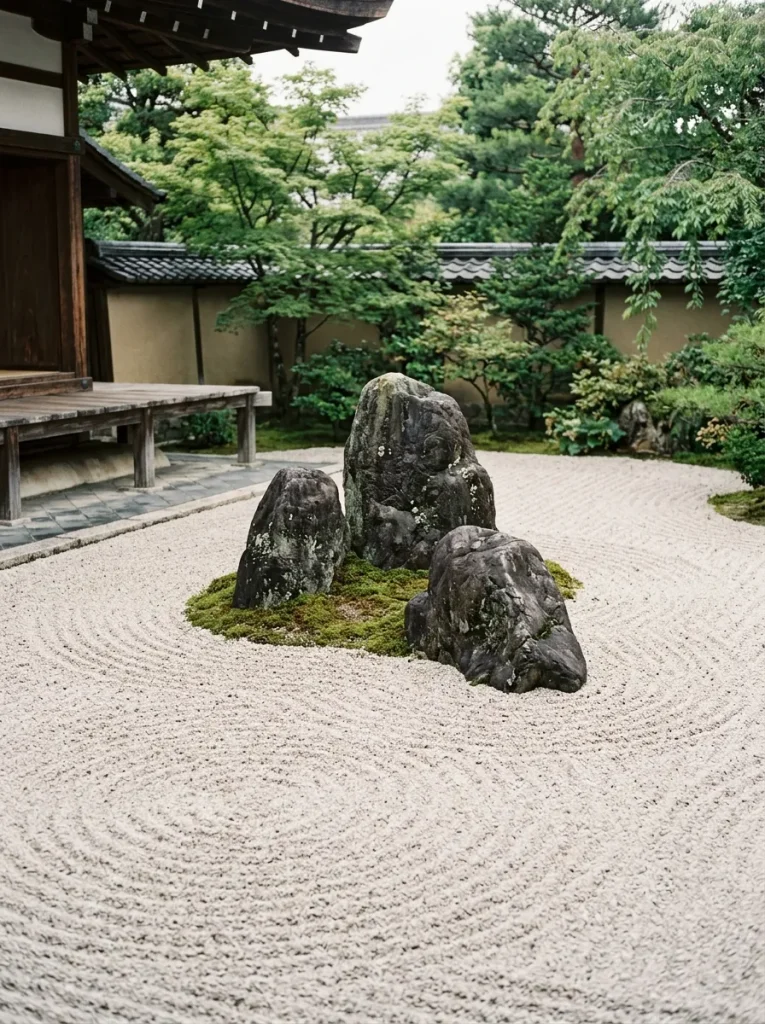
| Feature | Traditional Grass Lawn | Dry Sand Garden |
| Maintenance | Weekly mowing and watering | Occasional raking to restore patterns |
| Water Usage | High consumption | Zero water required |
| Visual Mood | Active and vibrant | Meditative and highly structured |
| Longevity | Varies heavily by season | Looks pristine year round |
Utilizing gravel and stone instead of plants requires a different mindset, but the payoff is immense. That is why many experts recommend dry landscapes for busy homeowners seeking a quiet retreat. The linear patterns catch the morning shadows perfectly, adding incredible depth to the courtyard without demanding constant physical labor.
Bamboo Privacy Screens
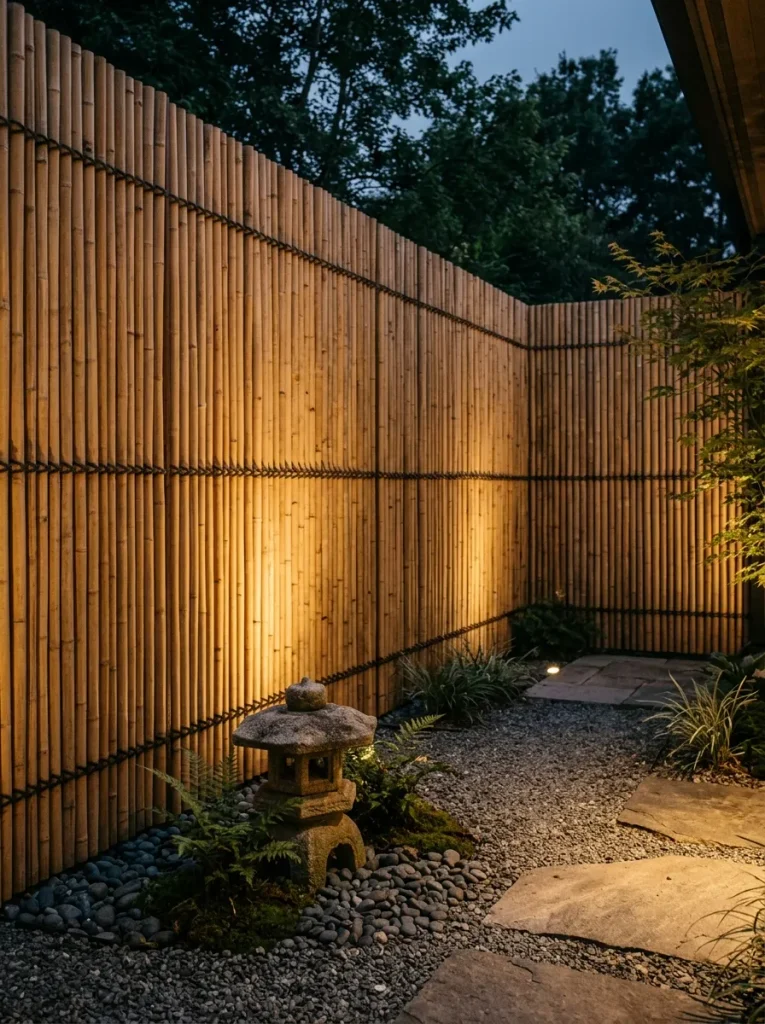
- Do use treated bamboo poles to prevent rot and weather damage.
- Do secure the poles with thick dark twine for an authentic look.
- Do leave a small gap at the bottom to prevent moisture buildup.
- Don’t use live running bamboo unless contained in sturdy metal planters.
- Don’t paint the stalks, let the natural texture shine.
- Don’t place them too close to heat sources or fire pits.
Screening off your outdoor sanctuary from neighbors requires materials that feel organic rather than industrial. Tall grass barriers block unwanted views while still allowing a soft breeze to filter through the stalks. I have found this natural fencing creates an immediate sense of seclusion crucial for relaxation.
Low Stone Basins
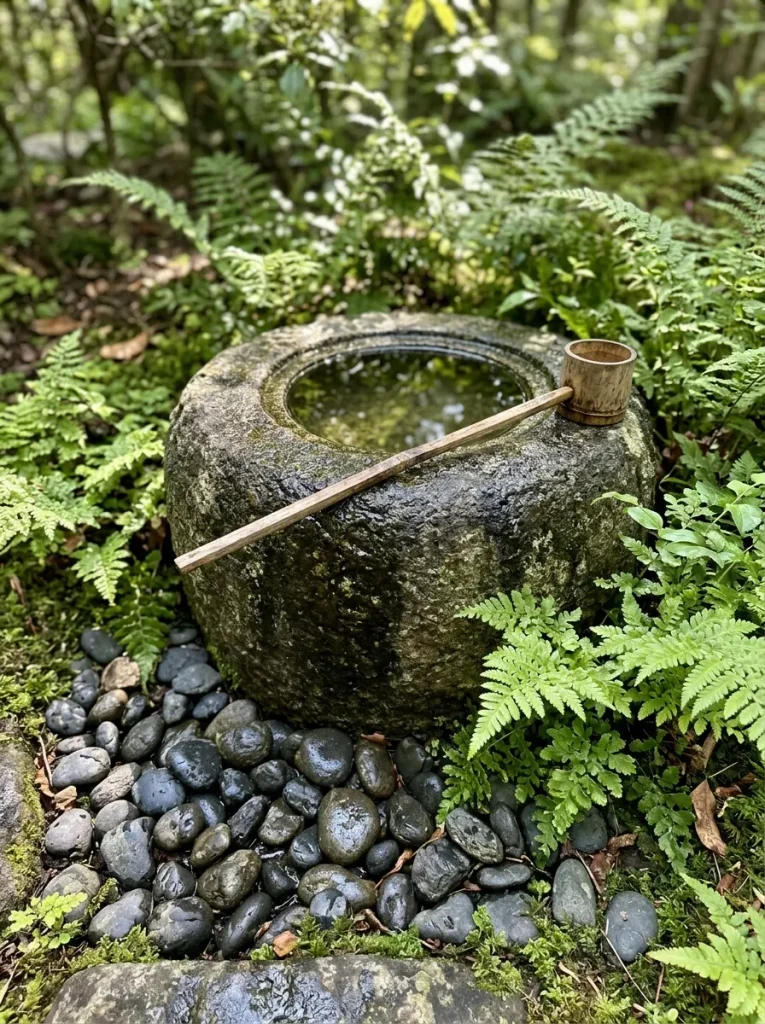
Placement: Close to the ground, requiring a slight bow to use
Material: Carved natural granite or basalt
Water Source: Often paired with a bamboo spout
Maintenance: Weekly cleaning to prevent algae buildup
The traditional tsukubai basin introduces a humble, interactive water element to your enclosed yard. Placing the water source low forces a physical shift in posture, encouraging mindfulness before entering a seating area. Small birds often use these shallow pools, adding wonderful wildlife activity to the yard.
Minimalist Lantern Lighting
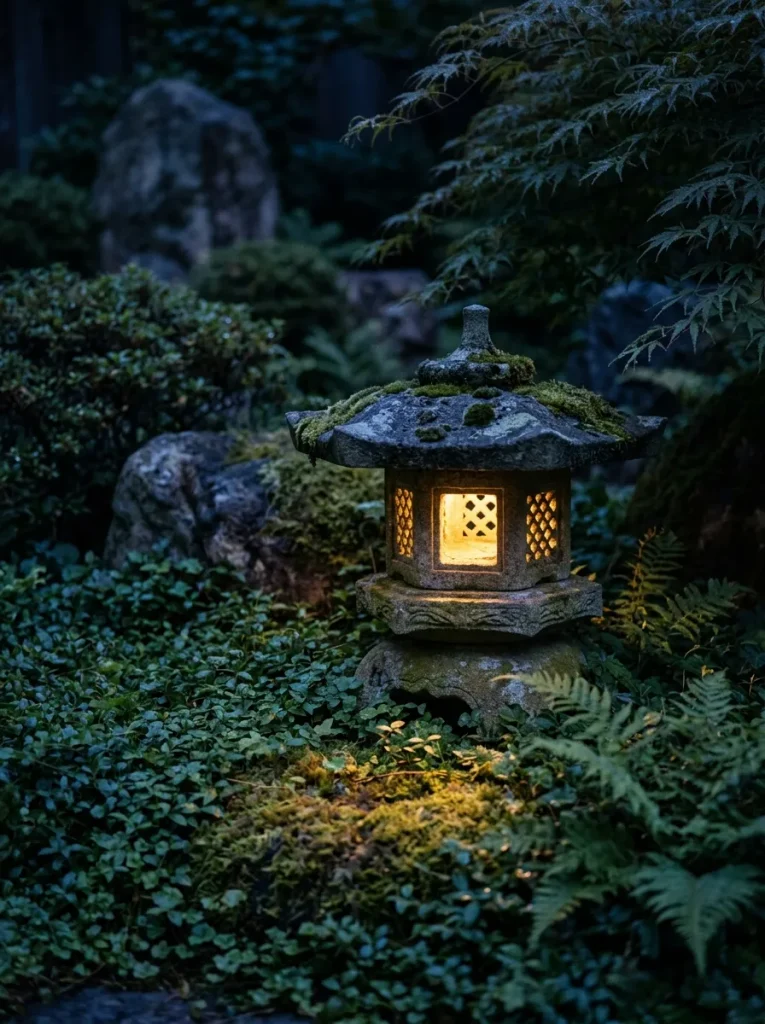
Illuminating an outdoor retreat at night should mimic the soft glow of moonlight rather than harsh security floodlights. Placing small stone lanterns along the main walking path provides just enough visibility to navigate safely. The heavy stone structures anchor the landscape visually even during the brightest hours of the day.
I usually suggest hiding low voltage LED bulbs inside the stone housing to maintain the historical look while updating the functionality. This subtle glow highlights the surrounding textures of bark and leaf without overpowering the senses. The result is a magical nighttime atmosphere perfect for late evening relaxation.
Potted Bonsai Display
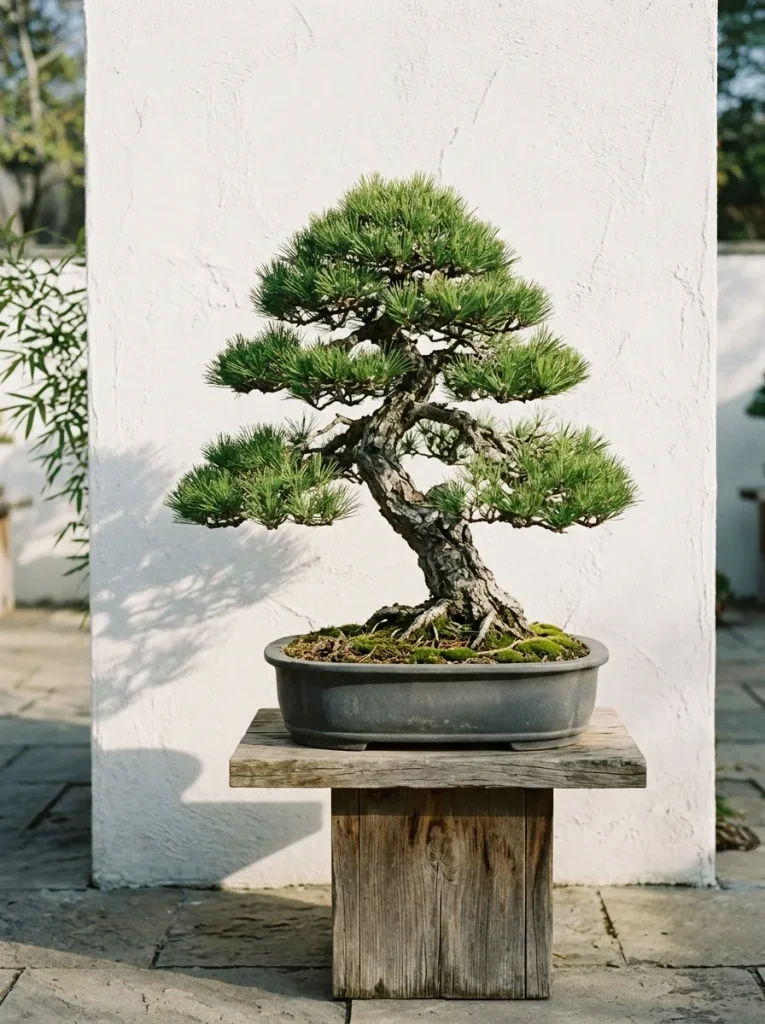
- Place a mature bonsai on a dedicated stand to position it at eye level. This highlights the intricate trunk structure beautifully.
- Select evergreen varieties like juniper or pine for year round visual interest. They maintain their striking shape perfectly through all seasons.
- Rotate the pot slightly every few weeks to ensure even sunlight exposure. Consistent light prevents one side from growing too heavy.
- Water the shallow roots frequently during warm summer months. These small containers dry out much faster than traditional garden beds.
Bringing miniature trees into a walled exterior introduces an element of intense, focused craftsmanship. I’ve noticed that visitors always gravitate toward a well maintained bonsai. It serves as a living sculpture that adds remarkable character to compact areas without overwhelming the overall layout of the property.
Covered Seating Nook
Quick Tip:
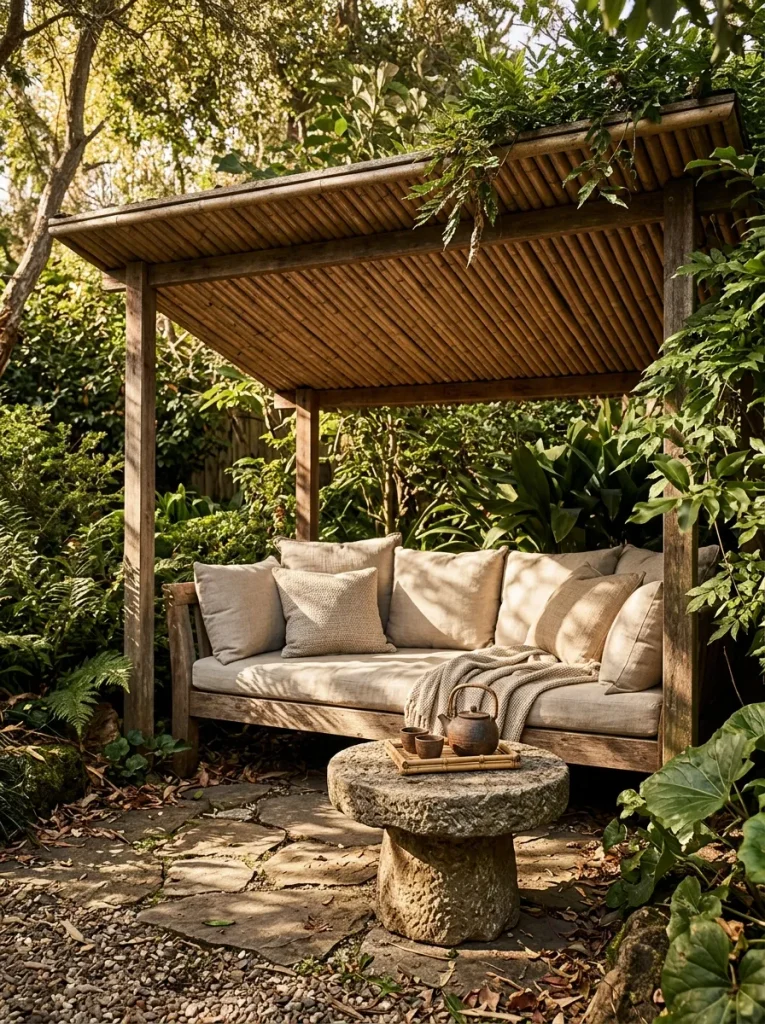
Position your resting area facing the most intricate part of the landscape, like a central water feature or rock formation. Keep the furniture profile low to the ground to respect traditional proportions and maximize overhead space.
A sheltered corner provides a comfortable place to observe the outdoors regardless of the weather. Sitting under a slight overhang offers a feeling of safety and enclosure. Designing this functional resting spot carefully ensures you will actually spend time enjoying the fresh air rather than just looking through glass.
Stepping Stone Transitions
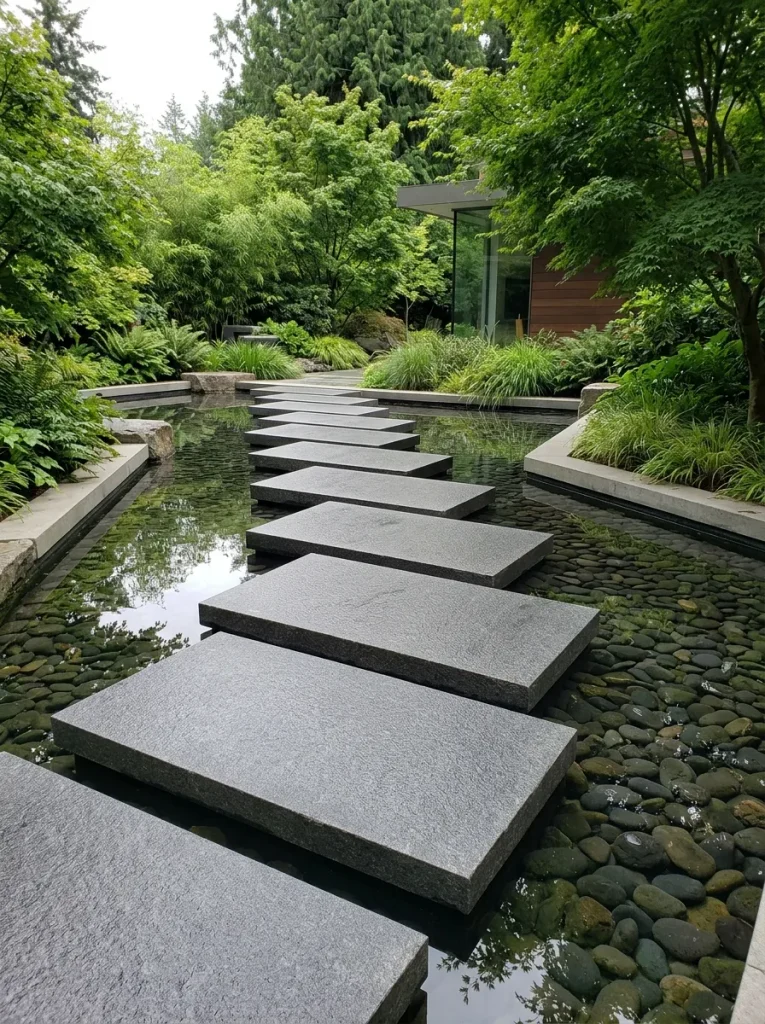
Before: Moving between a main house and a detached room often involves walking across muddy grass or plain concrete slabs. The journey feels purely functional and visually uninteresting.
After: Installing raised stone slabs across a shallow pond turns a simple walk into an engaging physical experience. The deliberate spacing forces you to watch your step, keeping you entirely present in the moment.
Deliberate pathing completely changes how individuals interact with an enclosed property. That is why many experts recommend staggered stones to create a mindful transition between zones. The slight physical challenge slows your pace, gently preparing your mind for relaxation before you even reach the final destination.
Copper Rain Chains
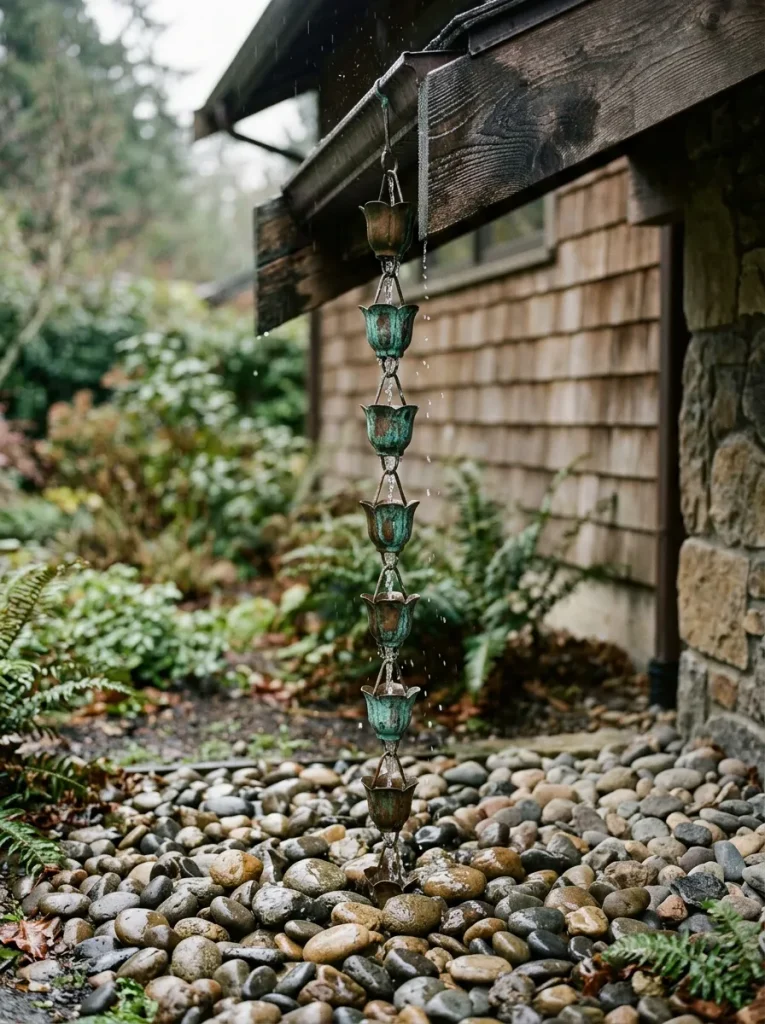
- Remove standard metal downspouts from your roof gutters.
- Attach a decorative copper chain directly to the drainage opening.
- Anchor the bottom of the chain to a large stone or heavy pot to keep it stable during high winds.
- Place decorative pebbles around the base to ensure proper water drainage away from the foundation.
Capturing rainfall becomes a visual performance rather than just a utility necessity. I’ve noticed that swapping industrial gutters for these elegant metal links adds immediate architectural interest to a small exterior. The gentle sound of water cascading down the cups is incredibly relaxing during a light storm.
Moss Ground Cover
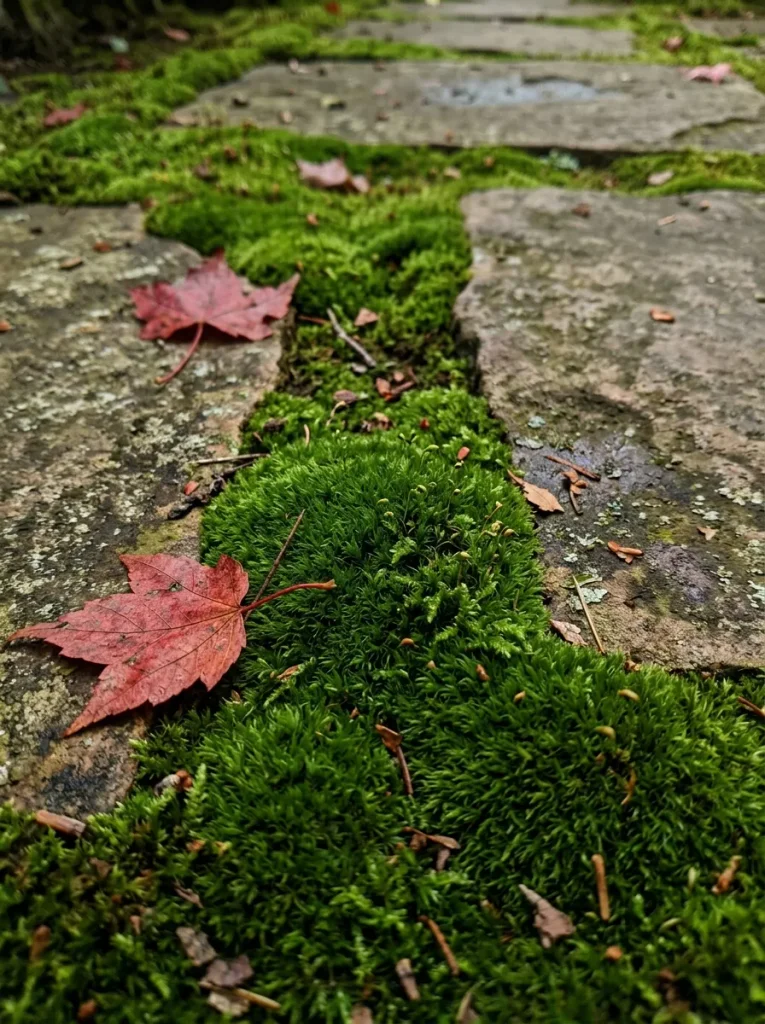
| Feature | Traditional Grass | Cultivated Moss |
| Sun Requirement | Needs full direct sunlight | Thrives in heavy shade |
| Maintenance | Requires frequent mowing | Never needs cutting |
| Texture | Coarse and uniform | Soft, velvety, and organic |
| Foot Traffic | Handles heavy running | Best for light, mindful walking |
Selecting the right base layer sets the entire tone of your enclosed garden layout. Soft greenery spreading naturally across the soil gives the space an established, ancient feeling that grass simply cannot match. This alternative flooring option creates a beautiful, low maintenance carpet that looks incredibly sophisticated.
Charred Wood Walls
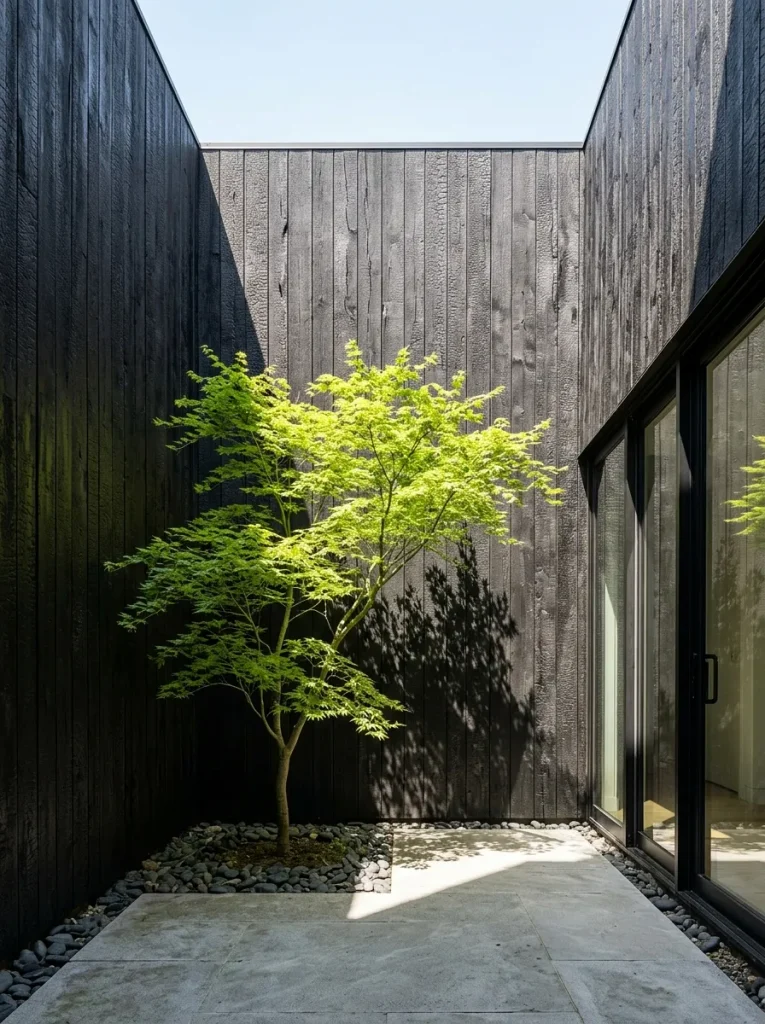
- Do use the traditional Shou Sugi Ban burning technique for natural weatherproofing.
- Do pair the dark wood with bright green foliage for maximum visual contrast.
- Do apply a natural oil finish to protect the burnt texture over time.
- Don’t place delicate seating directly against the wall to avoid charcoal transfer.
- Don’t use artificial black paint instead of authentic burning, because it looks flat.
- Don’t cover every single wall with it, to avoid making the space feel too dark.
Creating a dramatic backdrop is essential for highlighting the delicate plants in your serene property layout. In my experience, utilizing deeply burnt timber provides a modern edge while remaining deeply rooted in historical building practices. The rich black texture makes everything placed in front of it visually pop.
CONCLUSION
Designing a beautiful exterior space is about creating a dedicated place to pause and breathe deeply. Exploring these japanese courtyard homes shows exactly how bringing wood, water, and stone together builds deep visual harmony in any yard. I have seen how small changes like these can completely shift the way a space feels, turning an overlooked patio into a restorative daily sanctuary. Pick your favorite concept from this list and start planning your own quiet outdoor escape today. Please save this post to your Pinterest design boards for future inspiration, and share these ideas with friends who might need a relaxing home retreat.