20 Stunning Accent Wall Ideas for Your Living Room That Will Instantly Elevate Your Home’s Style
A fresh accent wall can change the entire mood of a living room without changing every piece of furniture. These accent wall ideas for your living room focus on materials, proportions, lighting, and surfaces that truly belong in a space where people sit, talk, and unwind. A flat wall behind the sofa can become a subtle texture, a rich color, an architectural focal point, or a place to display meaningful art. I have found that the most successful statement walls are rarely the loudest. They balance the size of the sofa, the amount of daylight, and the style of the existing furnishings. This collection covers twenty genuinely different approaches, from easy paint treatments to more involved stone and carpentry projects, so you can find a direction that suits both your room and your budget.
01 Soft Limewash Finish
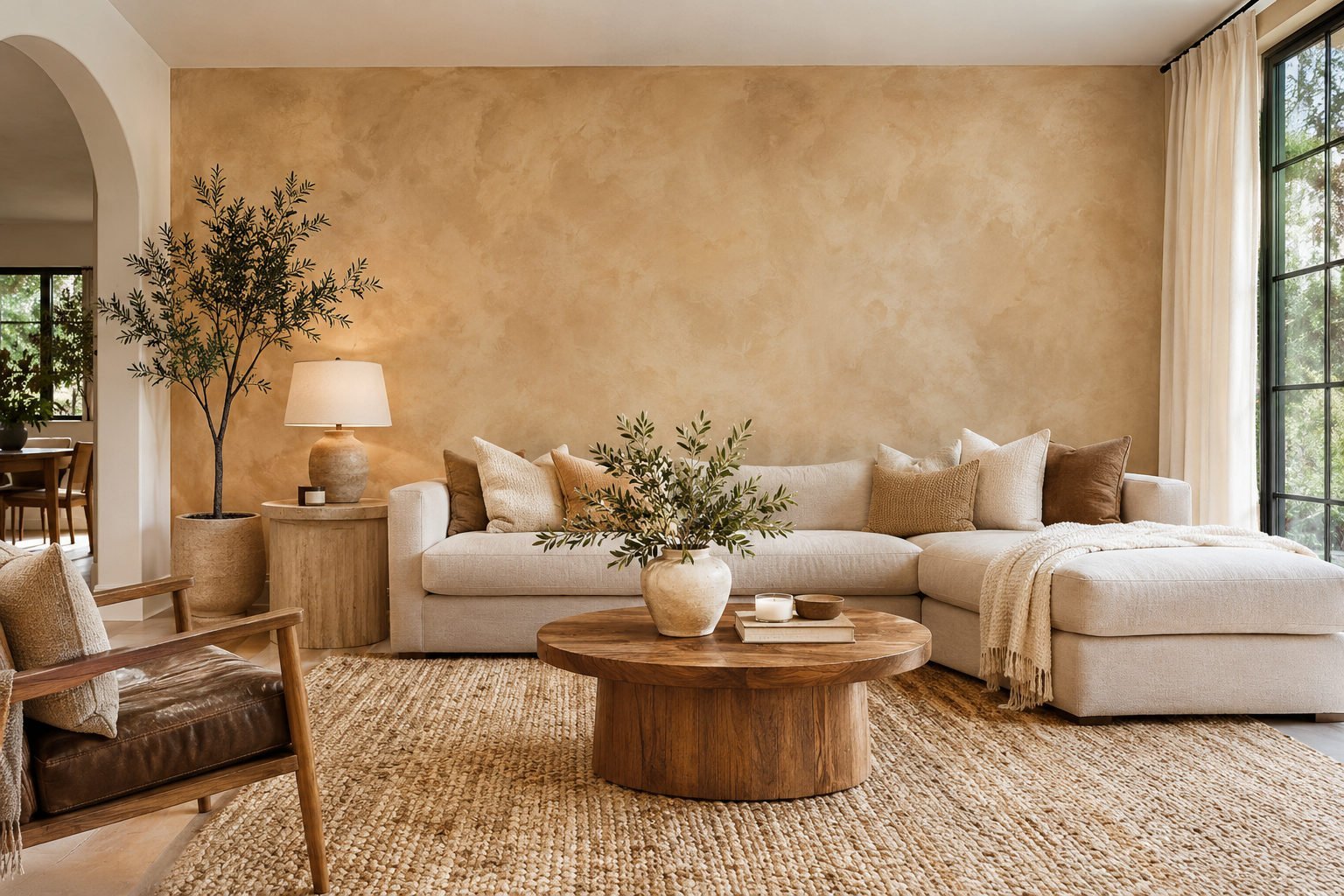
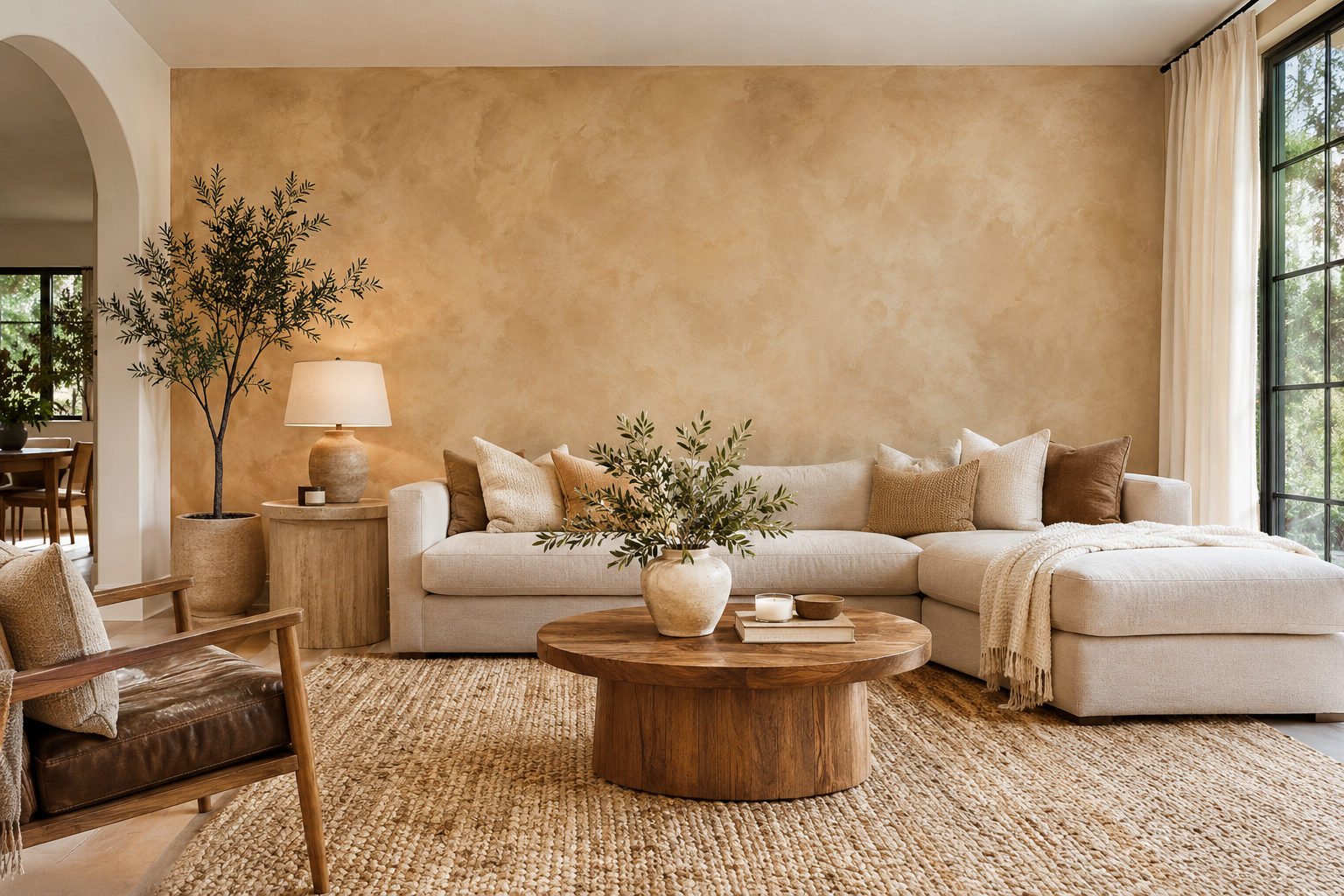
A soft mineral finish adds depth without a busy pattern. Blend sandy limewash with warm white upholstery and matte wood; its cloudy brushwork catches daylight while keeping the room tranquil. This approach works especially well where the main seating faces a single uninterrupted wall, giving the room one strong visual anchor.
Use test swatches on the actual wall before committing, since natural and artificial light can shift the color dramatically. Pair it with a simple rug and a few repeated textures, then step back from the doorway to check that the wall feels integrated rather than isolated.
02 Walnut Slat Wall
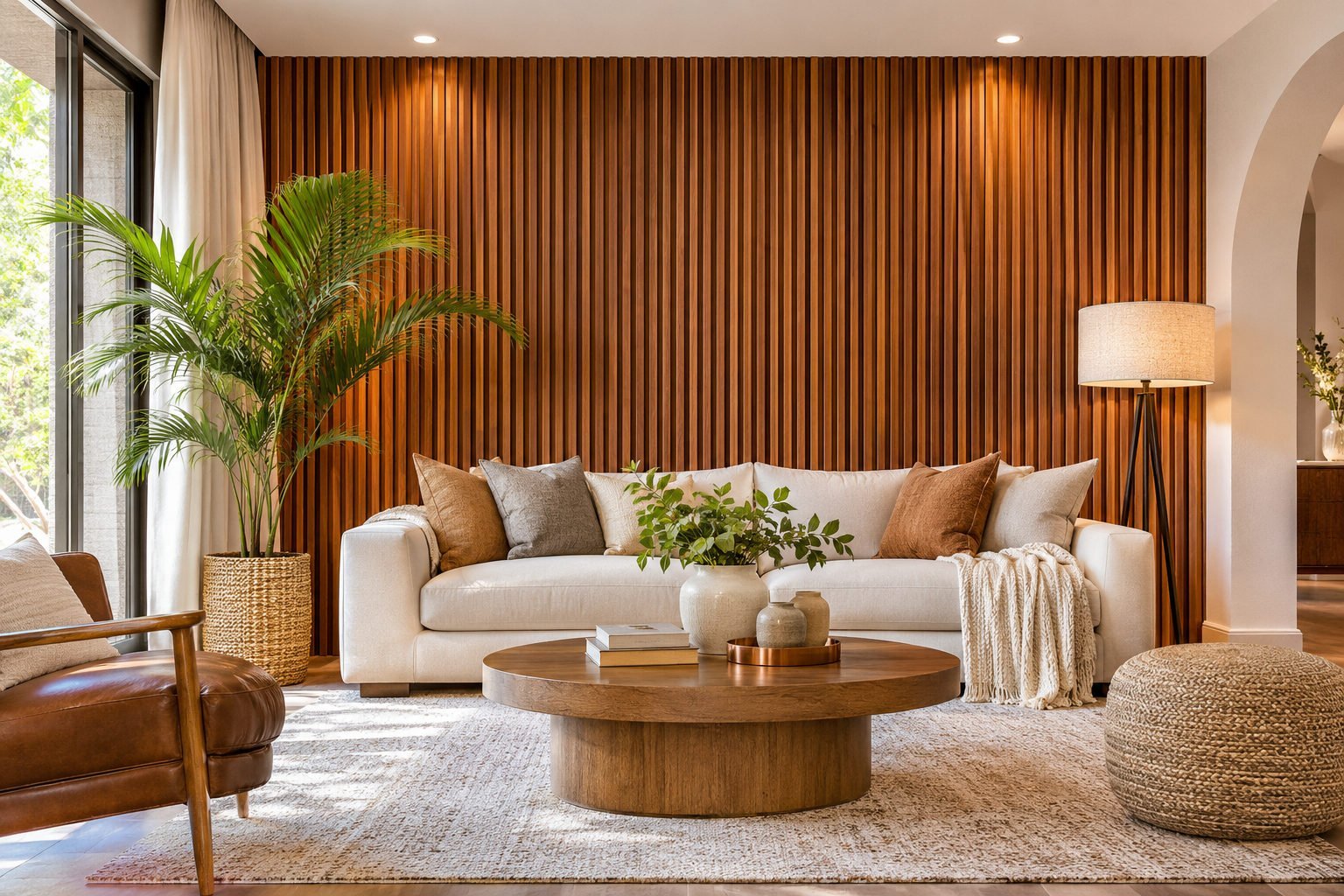
Narrow timber battens make a plain wall feel architectural.
Choose closely spaced walnut slats behind the sofa or television, with a clean baseboard and understated lighting. The vertical rhythm draws attention upward.
Use a washable, dust-friendly finish and plan outlets before attaching the battens.
Coordinate the wall with at least one material already in the room.
Keep adjacent surfaces simpler so the feature remains readable.
The best results come from treating the wall as part of the full seating arrangement. Include the television, art, and lighting in the design from the start so nothing feels added at the last minute.
03 Panoramic Landscape Mural
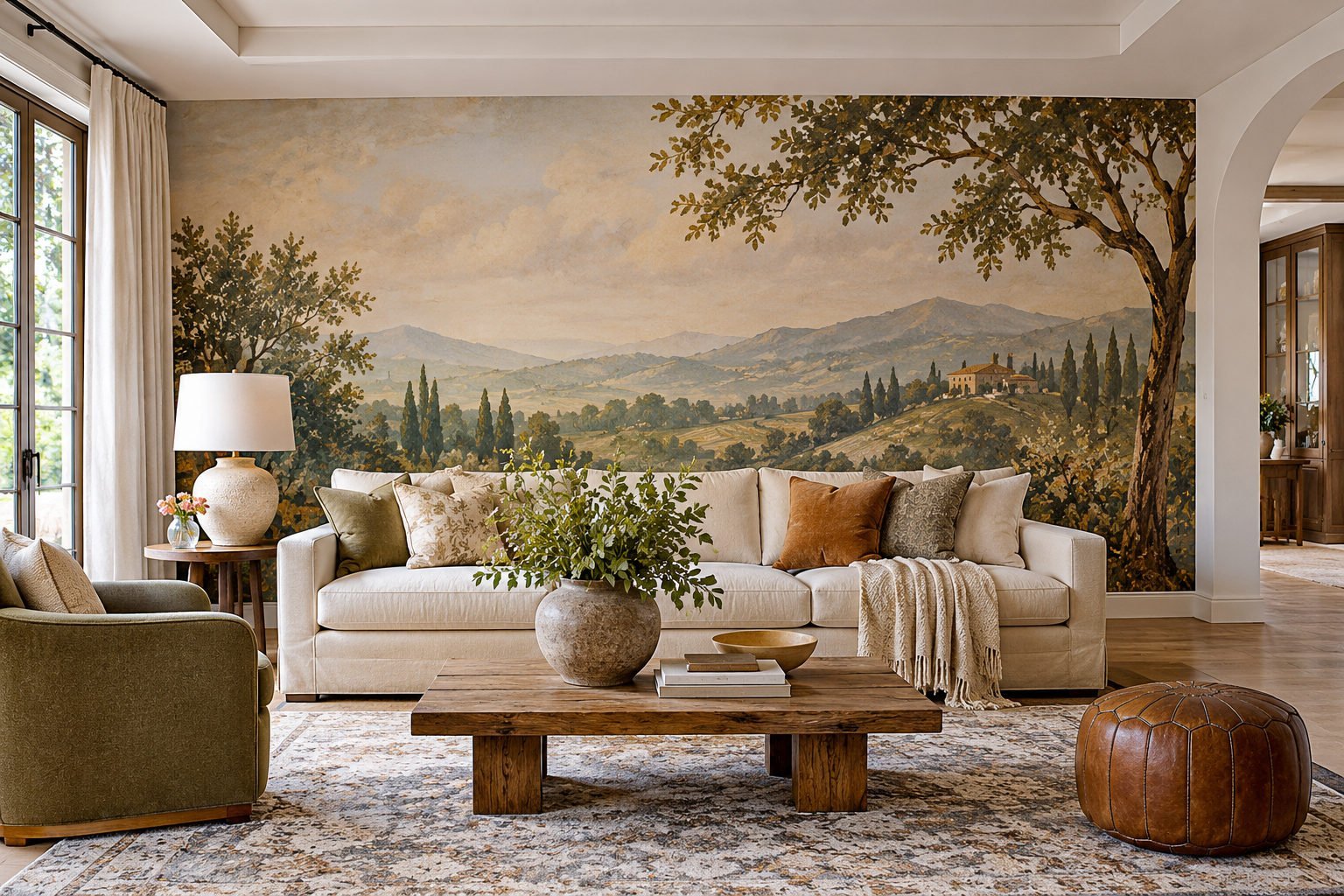
Quick Tip: Order a full sample and check the focal point from the main seating position. Check the look from your normal sofa position, not only from a close-up sample.
A wall-sized landscape brings depth to a compact lounge. Choose a muted countryside, forest, or coastal scene with a soft horizon. Keep the furnishings quiet so the mural remains the focus. Keep the surrounding cushions, rugs, and window coverings consistent so the wall remains the most distinctive feature without fighting the rest of the space.
04 Elegant Frame Molding
Additional individual imagery is pending for the remaining concepts.
Before: The living room wall feels flat and disconnected from the furniture, with little visual depth or intentionality.
After: Painted wall frames create a tailored look at surprisingly low visual weight. Arrange rectangular picture-frame molding in proportion to the sofa, then paint the trim and wall the same creamy shade for subtle shadows.
Sketch the rectangles first to keep outlets and sconces from interrupting the symmetry. The change should still make sense in daylight and at night. Consider how table lamps, ceiling fixtures, and shadows will shape the finish after sunset.
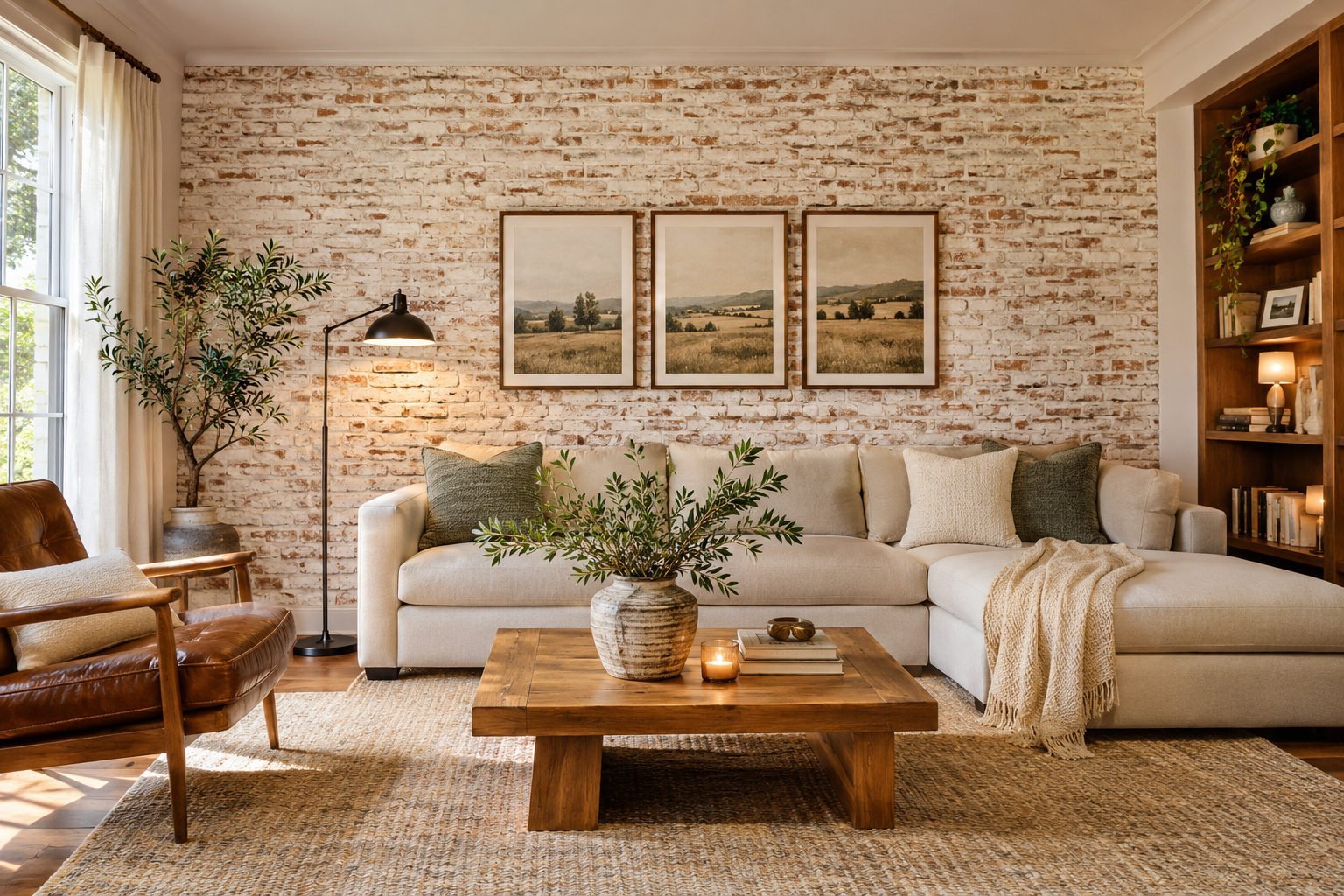
05 Whitewashed Brick
1. Measure the wall and identify the main furniture sight line.
2. Test the colors, surface finishes, and proportions.
3. Lightly whitewashed brick works beautifully with linen seating, natural timber, and black metal details, especially in older homes or rustic spaces.
4. Use suitable paint or limewash for brick and account for its porous surface.
Brick texture brings character without requiring bright color. Make a rough drawing before purchasing materials, especially if the wall contains switches, windows, or an outlet for the television. Good planning prevents an otherwise attractive feature from becoming awkward.
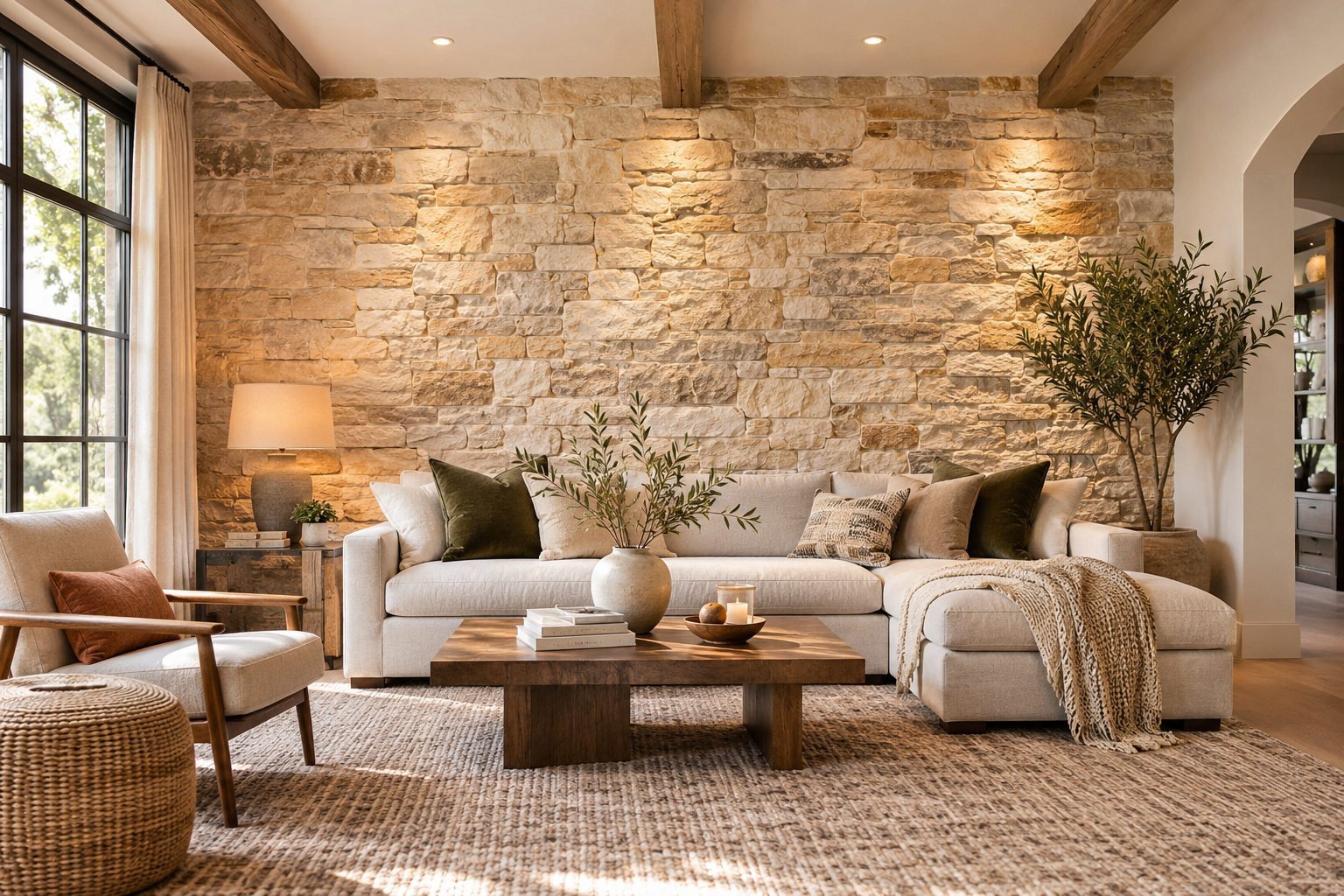
06 Natural Limestone
| Subtle treatment | Statement treatment |
| Soft neutral tones | Deeper, higher-contrast tones |
| Texture as the focus | Pattern as the focus |
| Minimal accessories | One bold artwork or light |
Warm stone turns the seating wall into a quiet focal point. Irregular sandy limestone blocks create movement through their surface relief while blending with cream sofas and organic rugs. Consider weight, substrate, and professional installation for full-height natural stone. Choose the degree of contrast according to how calm or expressive you want the room to feel.
07 Forest Green Panels
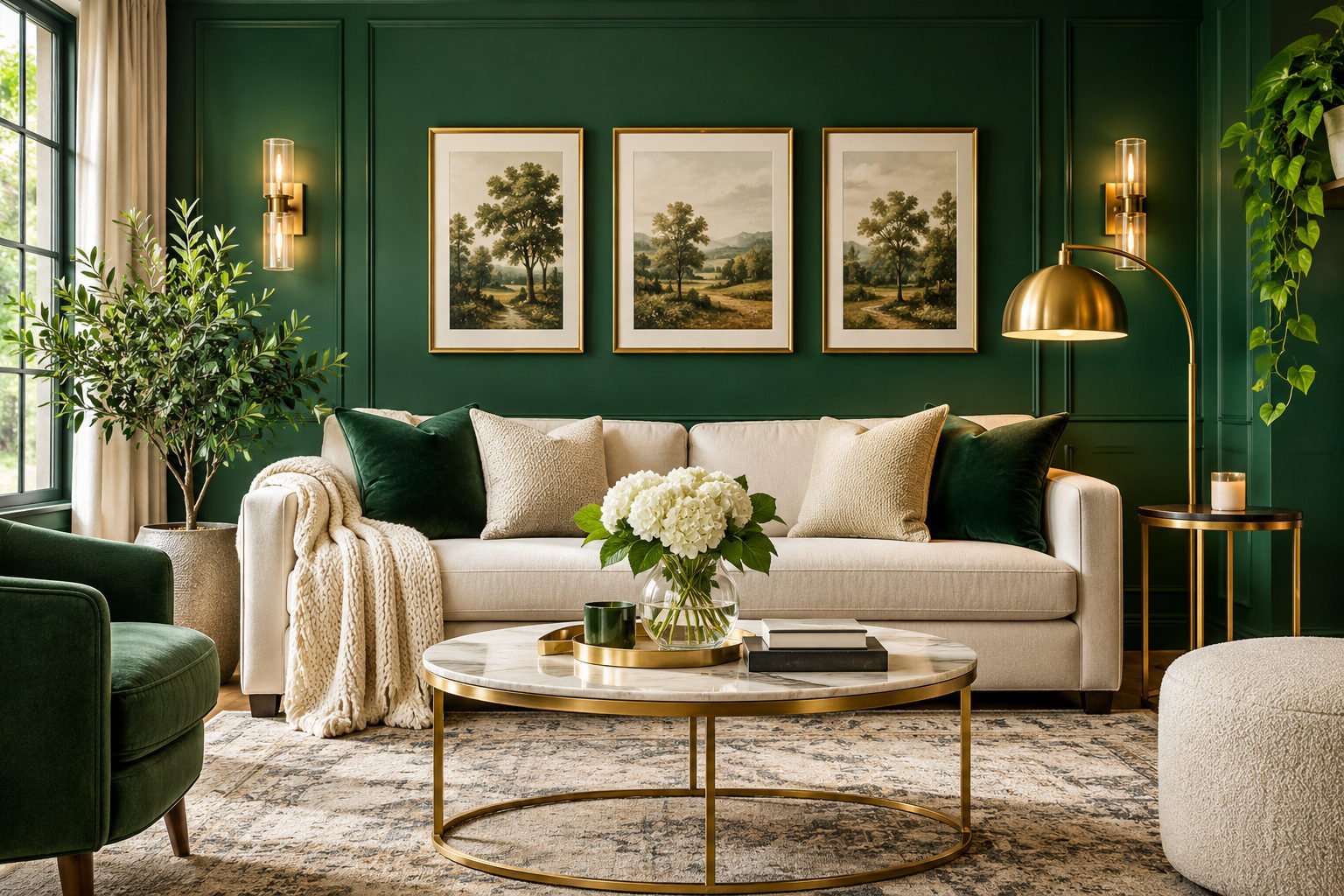
Deep green paint gives classic paneling a richer personality.
Do: Apply saturated forest green to a single framed wall, then add aged brass lights and warm wood. Cream furnishings keep the contrast sophisticated.
Do: Coordinate with the existing floor and upholstery.
Do: Test your sample in both daylight and lamplight.
Don’t: Cover switches or outlets without proper planning.
Don’t: Add competing bold patterns on every nearby surface.
Don’t: Skip the maintenance requirements for the chosen finish.
Try several greens in both sun and lamp light before selecting one. Edit accessories after the wall is complete. Sometimes removing a crowded gallery or a surplus of small objects makes the material itself look far more intentional.
08 Geometric Color Shapes
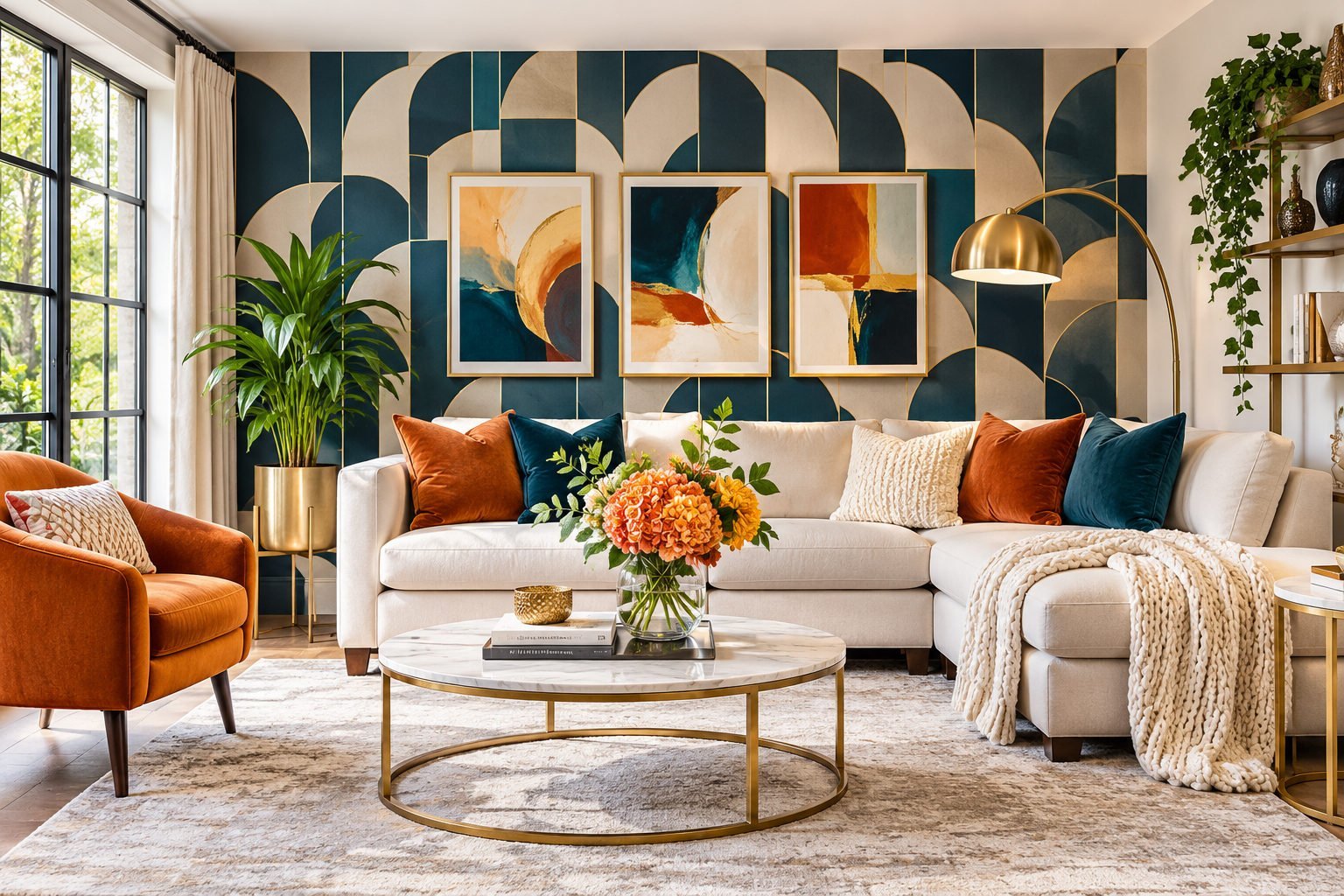
Visual effect: Oversized arcs and blocks can replace expensive artwork.
Best placement: The sofa wall or another uninterrupted sight line
Planning note: Keep the geometry simple and tape crisp boundaries, letting each paint layer dry fully.
Combine deep teal, ivory, rust, and ochre in bold curved shapes that continue across the entire wall behind the couch. Consider making a small sample board before committing to the entire surface, then compare it against your flooring and upholstery at different times of day.
09 Floating Display Ledge
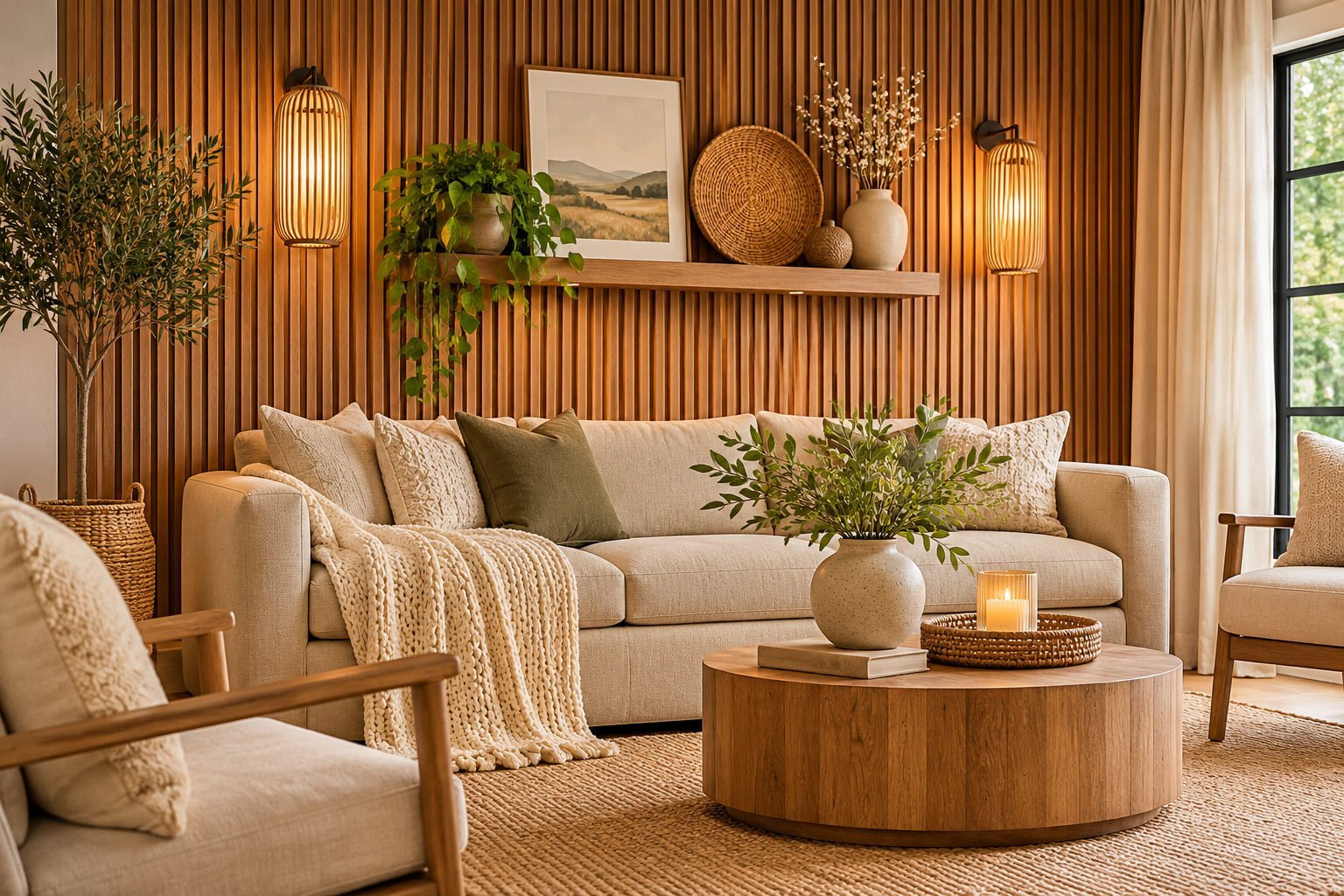
A slim ledge adds flexibility without a crowded gallery. Set one long floating shelf above the sofa to display framed art, pottery, and greenery, leaving open negative space around each object. This approach works especially well where the main seating faces a single uninterrupted wall, giving the room one strong visual anchor.
Secure the ledge into studs with anchors appropriate for the load. Pair it with a simple rug and a few repeated textures, then step back from the doorway to check that the wall feels integrated rather than isolated.
10 Charcoal Statement Paint
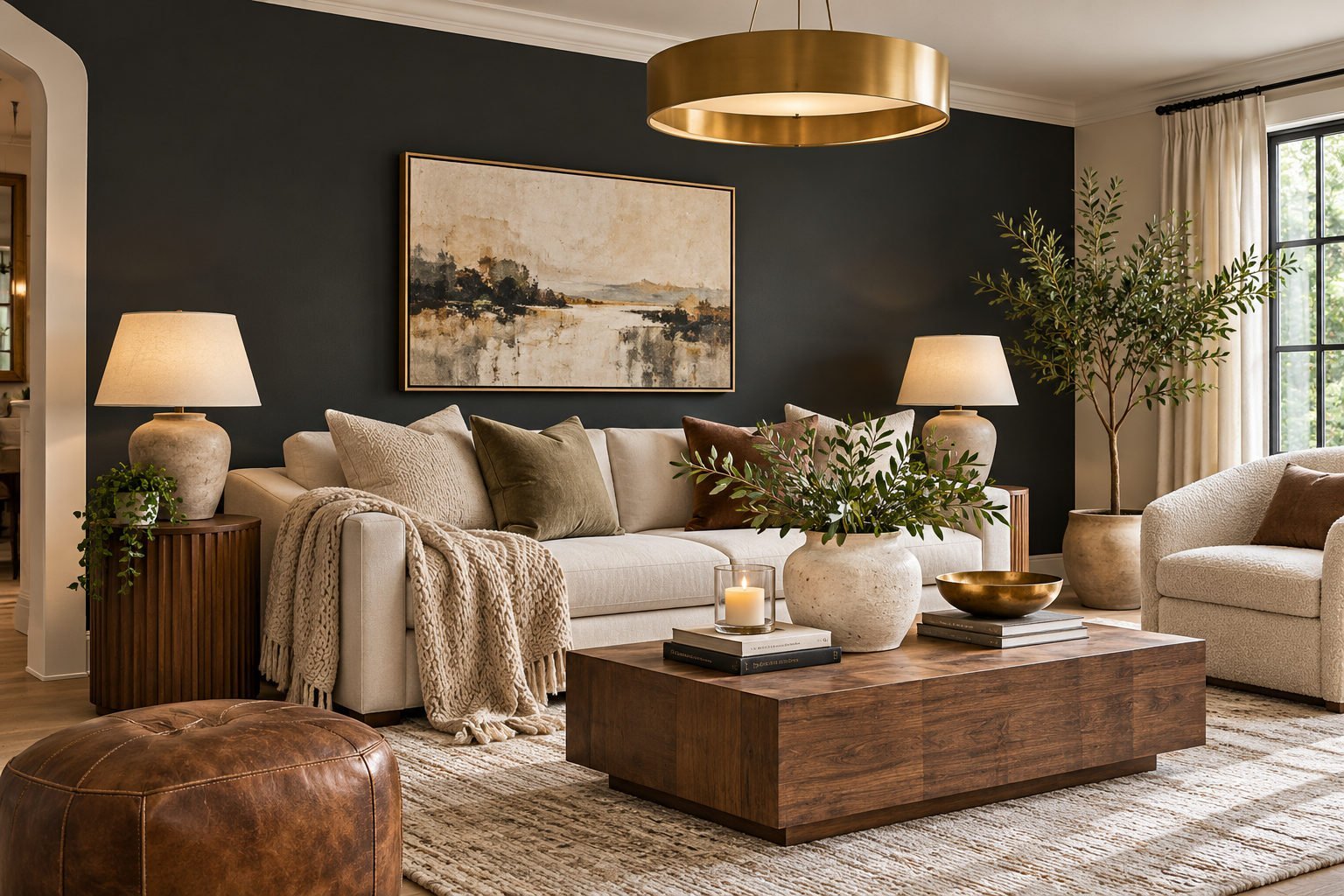
A nearly black wall can actually make pale furniture glow.
Choose deep charcoal with a matte or eggshell finish, then introduce a large restrained canvas and warm table lamps to soften the contrast.
Avoid leaving every other surface dark, which can flatten the space.
Coordinate the wall with at least one material already in the room.
Keep adjacent surfaces simpler so the feature remains readable.
The best results come from treating the wall as part of the full seating arrangement. Include the television, art, and lighting in the design from the start so nothing feels added at the last minute.
11 Botanical Feature Wallpaper
Quick Tip: Match repeat seams carefully, especially around corners and ceiling lines. Check the look from your normal sofa position, not only from a close-up sample.
Large-scale foliage can be calm rather than busy. Select oversized leaves on a pale sage or ivory ground and limit the print to the wall behind the sofa. Repeat one green shade in pillows. Keep the surrounding cushions, rugs, and window coverings consistent so the wall remains the most distinctive feature without fighting the rest of the space.
12 Fluted Wall Panels
Before: The living room wall feels flat and disconnected from the furniture, with little visual depth or intentionality.
After: Rounded vertical grooves introduce shadow and gentle texture. Use slim fluted MDF or timber panels painted warm taupe to give a lounge wall subtle movement without strong contrast.
Look at panels in raking side light so you understand how the shadows will appear. The change should still make sense in daylight and at night. Consider how table lamps, ceiling fixtures, and shadows will shape the finish after sunset.
13 Terrazzo Inspired Surface
1. Measure the wall and identify the main furniture sight line.
2. Test the colors, surface finishes, and proportions.
3. Choose an oversized terrazzo pattern with sparse chips in clay, charcoal, and cream, and pair it with plain furniture to keep the effect intentional.
4. Larger patterns generally read cleaner from a sofa-length viewing distance.
Colorful aggregate makes an unexpected modern focal point. Make a rough drawing before purchasing materials, especially if the wall contains switches, windows, or an outlet for the television. Good planning prevents an otherwise attractive feature from becoming awkward.
14 Two Tone Color Blocking
| Subtle treatment | Statement treatment |
| Soft neutral tones | Deeper, higher-contrast tones |
| Texture as the focus | Pattern as the focus |
| Minimal accessories | One bold artwork or light |
A two-color wall gives a room a clear visual structure. Divide the feature wall horizontally with muted ochre below and ivory above, using a perfectly level paint transition. Place the dividing line with the sofa height and window trim in mind. Choose the degree of contrast according to how calm or expressive you want the room to feel.
15 Sculpted Plaster Relief
Raised plaster shapes make the wall its own artwork.
Do: Use broad organic ridges and curved surfaces in a single warm white tone, allowing directional lighting to emphasize form.
Do: Coordinate with the existing floor and upholstery.
Do: Test your sample in both daylight and lamplight.
Don’t: Cover switches or outlets without proper planning.
Don’t: Add competing bold patterns on every nearby surface.
Don’t: Skip the maintenance requirements for the chosen finish.
A specialist can ensure stable relief on an appropriate substrate. Edit accessories after the wall is complete. Sometimes removing a crowded gallery or a surplus of small objects makes the material itself look far more intentional.
16 Reclaimed Timber Planks
Visual effect: Weathered boards introduce warm vintage character.
Best placement: The sofa wall or another uninterrupted sight line
Planning note: Inspect reclaimed lumber for moisture, splinters, pests, and finish compatibility.
Run reclaimed boards horizontally with varied grain but a restrained tonal range for a balanced, rustic focal wall. Consider making a small sample board before committing to the entire surface, then compare it against your flooring and upholstery at different times of day.
17 Checkerboard Tile Feature
A restrained tile grid creates a strong graphic statement. Choose matte cream and soft terracotta square tiles behind a sideboard or fireplace, with simple grout lines and neutral furnishings. This approach works especially well where the main seating faces a single uninterrupted wall, giving the room one strong visual anchor.
Check wall loading and use suitable substrate before installation. Pair it with a simple rug and a few repeated textures, then step back from the doorway to check that the wall feels integrated rather than isolated.
18 Upholstered Fabric Panels
Soft padded wall panels add a tactile, lounge-like mood.
Arrange large rectangular fabric sections in oatmeal boucle or natural linen behind a modern sofa for a serene cocooning effect.
Choose durable, cleanable textiles and allow access to electrical components.
Coordinate the wall with at least one material already in the room.
Keep adjacent surfaces simpler so the feature remains readable.
The best results come from treating the wall as part of the full seating arrangement. Include the television, art, and lighting in the design from the start so nothing feels added at the last minute.
19 Arched Display Niches
Quick Tip: Confirm wall depth and structural constraints before planning recesses. Check the look from your normal sofa position, not only from a close-up sample.
Recessed arches turn blank drywall into usable sculpture. Build two or three symmetrical arched display niches with recessed shelves for ceramics, small books, or a single lamp. Keep the surrounding cushions, rugs, and window coverings consistent so the wall remains the most distinctive feature without fighting the rest of the space.
20 Metallic Accent Details
Before: The living room wall feels flat and disconnected from the furniture, with little visual depth or intentionality.
After: Subtle metal lines can make plain walls feel finished. Use brushed bronze inlays or slim brass trims over a taupe-painted wall rather than a fully reflective surface. Warm lighting completes the look.
Keep metallic detailing sparse to prevent glare and visual clutter. The change should still make sense in daylight and at night. Consider how table lamps, ceiling fixtures, and shadows will shape the finish after sunset.
Conclusion
The right statement wall makes a living room feel considered, personal, and more inviting. Whether you prefer the calm movement of limewash, the warmth of walnut slats, dramatic color, or a decorative plaster finish, the goal is the same: give the room one clear focal point. I have seen small material changes make a bigger difference than replacing an entire furniture collection. Choose the idea that complements your existing sofa, test it in your lighting, and take the project one step at a time. Save these accent wall ideas for your living room to Pinterest, try a favorite, and share the collection with someone planning a home refresh.